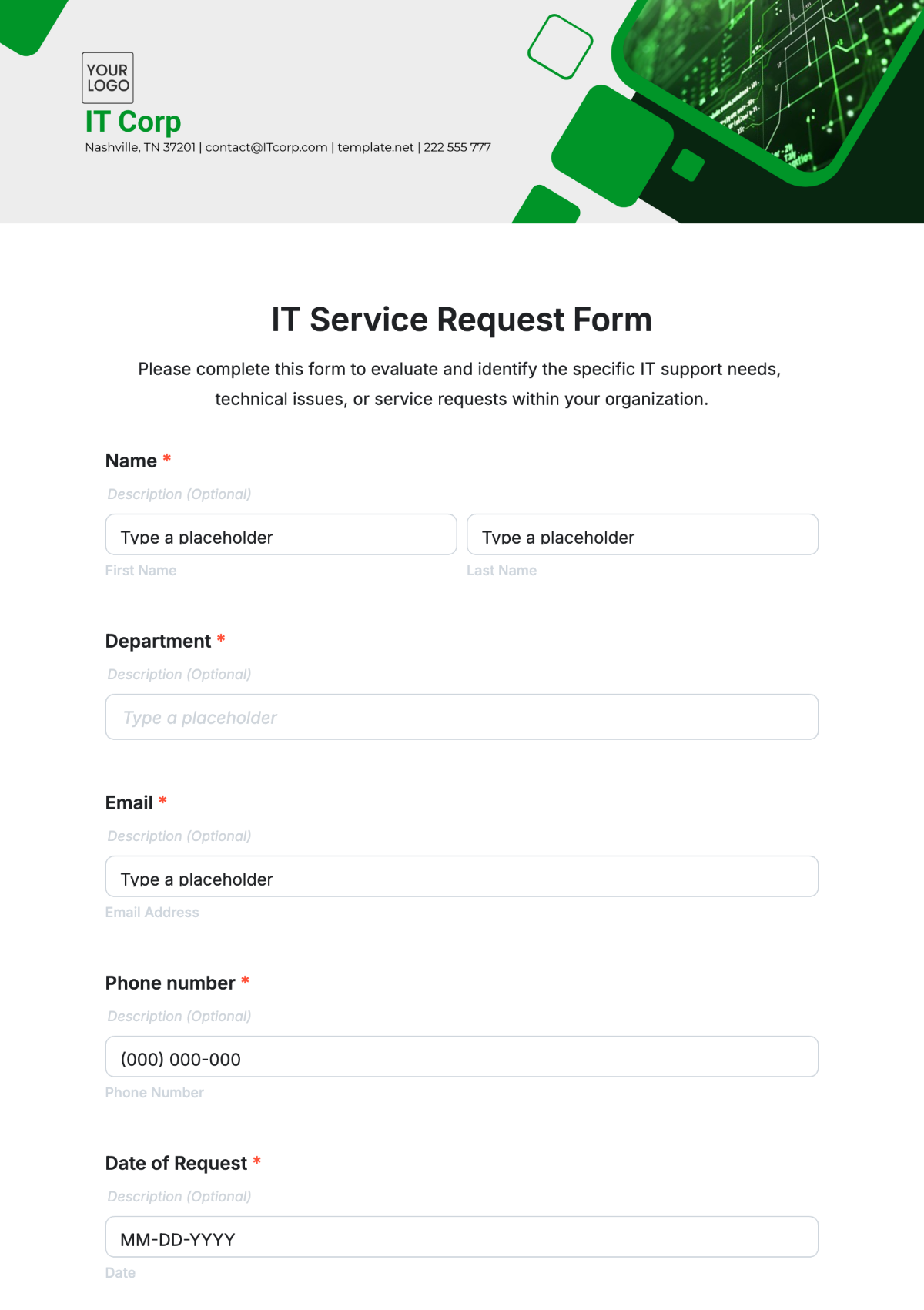
Understanding Access Requests: A Comprehensive Guide
In the digital age, the ability to request and manage access to data is crucial for organizations and individuals alike. An Access Request is a formal process where individuals or entities seek permission to access specific data or resources. This article will delve into the intricacies of Access Requests, why they matter, and how to effectively manage them.
What is an Access Request?
An Access Request refers to the process by which a user or system seeks permission to retrieve or interact with data or resources. Typically, this could involve files, databases, applications, or systems that contain confidential or restricted information. Access Requests serve multiple purposes, such as ensuring regulatory compliance, protecting sensitive information, and facilitating information sharing among authorized personnel.
The Importance of Access Requests
Understanding the significance of Access Requests is critical for both data protection and operational efficiency. Here are some reasons why Access Requests are essential:
- Data Privacy Compliance: Many laws and regulations, including GDPR and HIPAA, require organizations to implement Access Request processes to protect personal and sensitive information.
- Risk Management: By controlling access, organizations minimize the risk of data breaches and unauthorized access, thereby protecting their assets.
- Accountability: Implementing a formal Access Request system ensures that there is a clear trail of who accessed what data and why, increasing accountability.
- Operational Efficiency: Streamlining Access Requests can improve workflows and collaboration within teams, ensuring that the right people have timely access to necessary information.
The Access Request Process
The process for submitting and processing Access Requests can vary between organizations, but it generally consists of several key steps:

- Identification: The requester identifies the data or resource needed and provides relevant details, such as the purpose of the request.
- Submission: The individual submits the Access Request through an established channel, typically via an electronic form or email.
- Review: A designated authority reviews the request to determine its legitimacy and scope, considering the data protection policies in place.
- Approval/Deny: Based on the review, the request is either approved, denied, or sent back for more information.
- Notification: The requester is notified of the decision, along with any conditions tied to the granting of access.
- Access Granting: If approved, the requester is provided with the necessary access credentials and guidelines regarding how to handle the information responsibly.
- Monitoring: Continuous monitoring of access is implemented to assess and ensure that the access remains appropriate and does not lead to security breaches.
Best Practices for Managing Access Requests
Effectively managing Access Requests is crucial for maximizing security while minimizing inconvenience. Here are some best practices to consider:
- Establish Clear Policies: Define what kinds of data require Access Requests and clearly communicate the process to all stakeholders.
- Use Automation Tools: Implement software solutions that can automate the Access Request process, making it faster and reducing errors.
- Regular Training: Ensure that staff are trained regularly on the importance of data protection and the process for Access Requests.
- Document Everything: Keep detailed records of all requests and approvals to maintain accountability and transparency.
- Periodic Reviews: Regularly revisit and revise Access Request policies and processes to adapt to changing regulations or organizational needs.
Challenges in Access Request Management
While Access Requests are crucial, managing them can present challenges:
- Overlapping Roles: In some organizations, roles may overlap, causing confusion about who is responsible for approving Access Requests.
- Resistance from Staff: Employees might feel that the Access Request process is slowing them down, leading to pushback.
- Data Volume: In large organizations, the sheer volume of requested Access can overwhelm the designated personnel.
- Regulatory Compliance: Keeping up with various regulations and ensuring compliance in Access Requests can be daunting.
Future Trends in Access Requests
As technology evolves, so will the way we manage Access Requests. Some trends to watch include:
- AI and Machine Learning: These technologies will increasingly be used to screen and process Access Requests efficiently.
- Blockchain Technology: The potential for blockchain to provide secure, transparent logging of Access Requests may revolutionize data security.
- Zero Trust Models: Organizations are likely to adopt this security model, whereby access requests will be rigorously authenticated and verified.
Conclusion
Access Requests are a fundamental component of data security and privacy in today’s information-driven world. By understanding the process, recognizing the importance of these requests, and implementing best practices to manage them, organizations can secure sensitive information and comply with regulatory requirements. As technology and threats continue to evolve, so too must our strategies to handle Access Requests effectively.